
5 Signs It's Time to Upgrade Your Irrigation System
We explore the various indicators that suggest it might be time to consider upgrading your irrigation system. From outdated technology to inefficiencies that could be costing you money, we offer insights and solutions to ensure your garden or farm remains sustainable and productive. Modern irrigation systems have evolved significantly over the years, introducing technologies that save both water and time. By recognizing these signs early, homeowners and farmers can prevent costly water wastage and ensure optimal plant health. Let's delve into the reasons why an upgrade might be necessary for your irrigation system.
1. Increased Water Bills
One major sign that it's time to upgrade your irrigation system is a steadily increasing water bill. Often, leaking pipes and faulty connections are to blame for these unwelcome expenses. As irrigation systems age, the likelihood of leaks increases significantly, which can lead to both water wastage and higher utility costs. By conducting regular inspections and identifying these leaks early on, you can save money and ensure your plants receive the proper amount of water. Additionally, replacing old pipes and connectors with efficient, modern alternatives can lead to significant cost-savings.
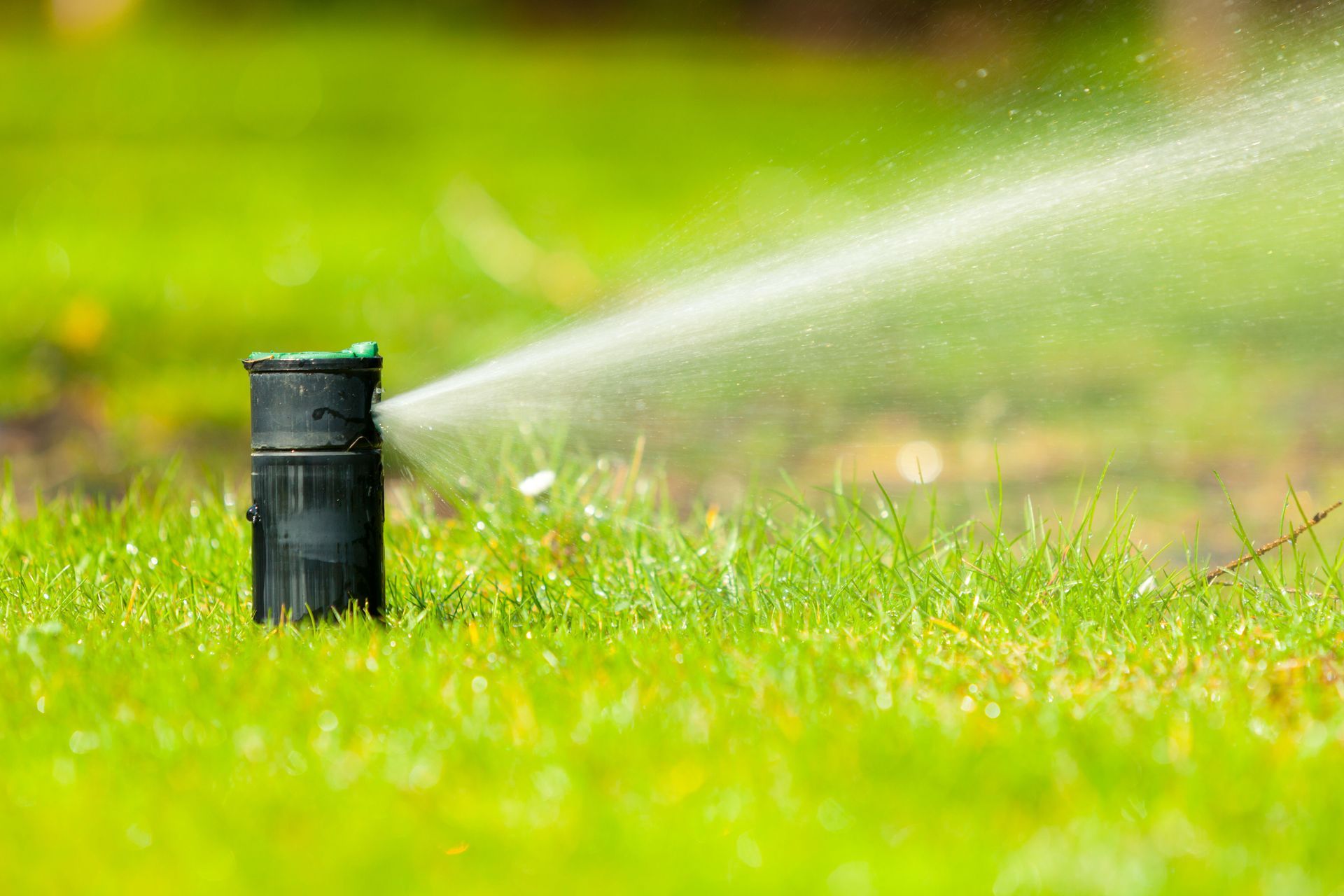
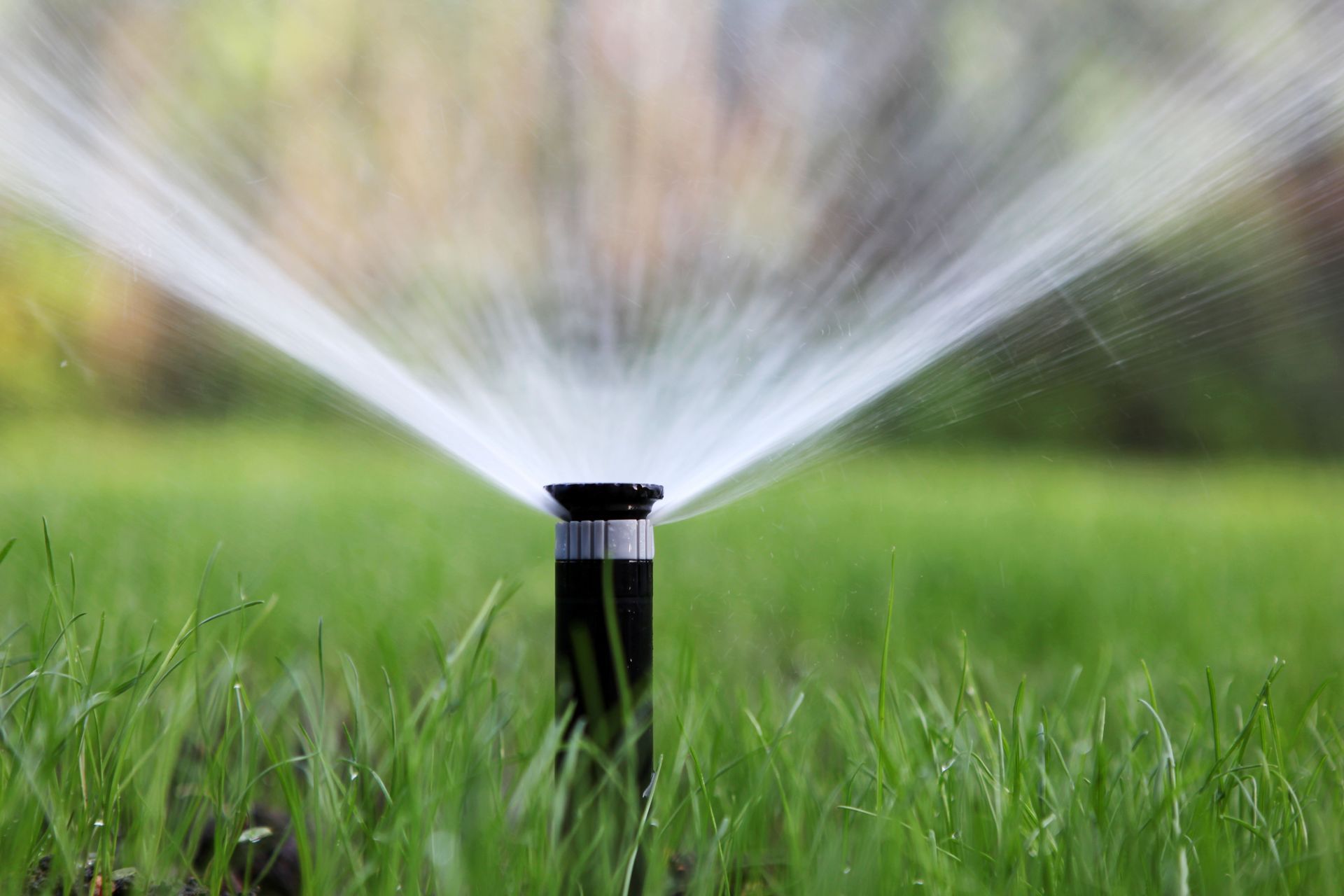
Another factor contributing to the rise in water bills is the use of inefficient sprinkler heads. Over time, sprinkler heads can become clogged or damaged, leading to uneven water distribution and excessive water use. Investing in modern, adjustable sprinkler heads allows for precise water delivery, ensuring that only the necessary areas are irrigated. According to This Old House, lawns should be watered to one to 1.5 inches of water per week, and using inefficient sprinkler heads can lead to significant overwatering. Upgrading to a more suitable system will not only maintain healthy lawns but also keep costs in check.
Outdated control systems can also be a significant source of inefficiency and increased expenses. Many older irrigation systems are difficult to manage, leading to over-irrigation or watering at ineffective times. Modern control systems offer advanced features, such as timers, rain sensors, and even smartphone integration, to maximize efficiency. By upgrading to a modern control system, you can ensure that your irrigation runs only when necessary, which reduces waste and saves money. Such systems can lead to better water management and a noticeable decrease in water bills.
2. Uneven Water Distribution
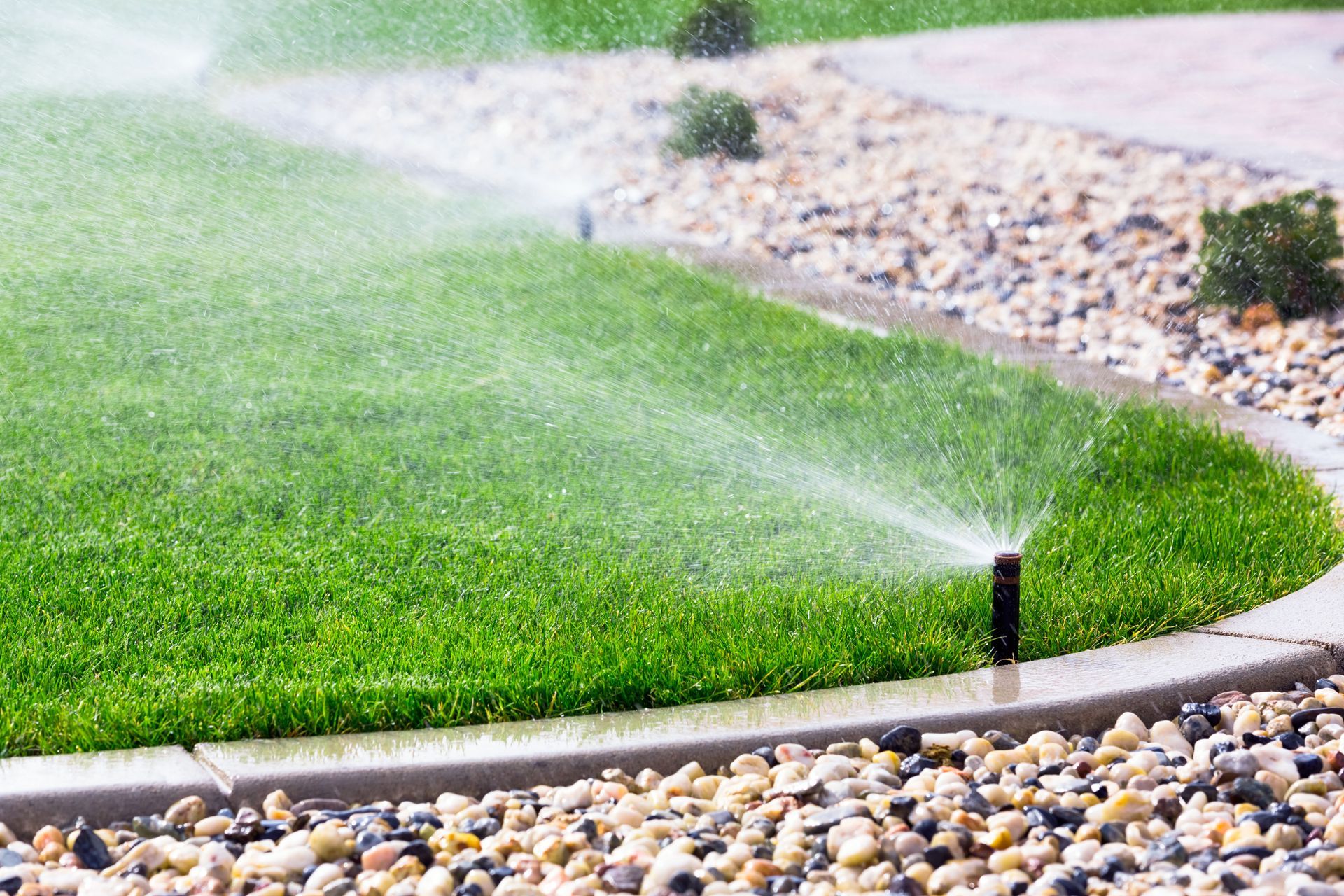
Poor sprinkler coverage is a frequent issue with inefficient irrigation systems. When sprinklers are not strategically placed or are of inadequate design, certain areas may receive too much water while others may remain dry. This can lead to patchy lawns and uneven plant growth, making it clear that adjustments need to be made. New irrigation technologies allow for uniform coverage, ensuring all areas receive equal attention. By addressing these issues and upgrading your system, you help guarantee healthier and more aesthetically pleasing landscapes.
Varying soil moisture levels can be detrimental to plant health, often resulting from outdated or poorly managed irrigation systems. Different soil types and landscape areas require different amounts of water, and an older system may not accommodate these variations. Upgrading to a system with advanced soil moisture sensors can provide precise, real-time data on soil conditions. This allows for adjustments to be made in watering patterns, ensuring that each area receives its requisite moisture. Such advancements lead to a thriving garden or farm, reducing wasteful watering practices.
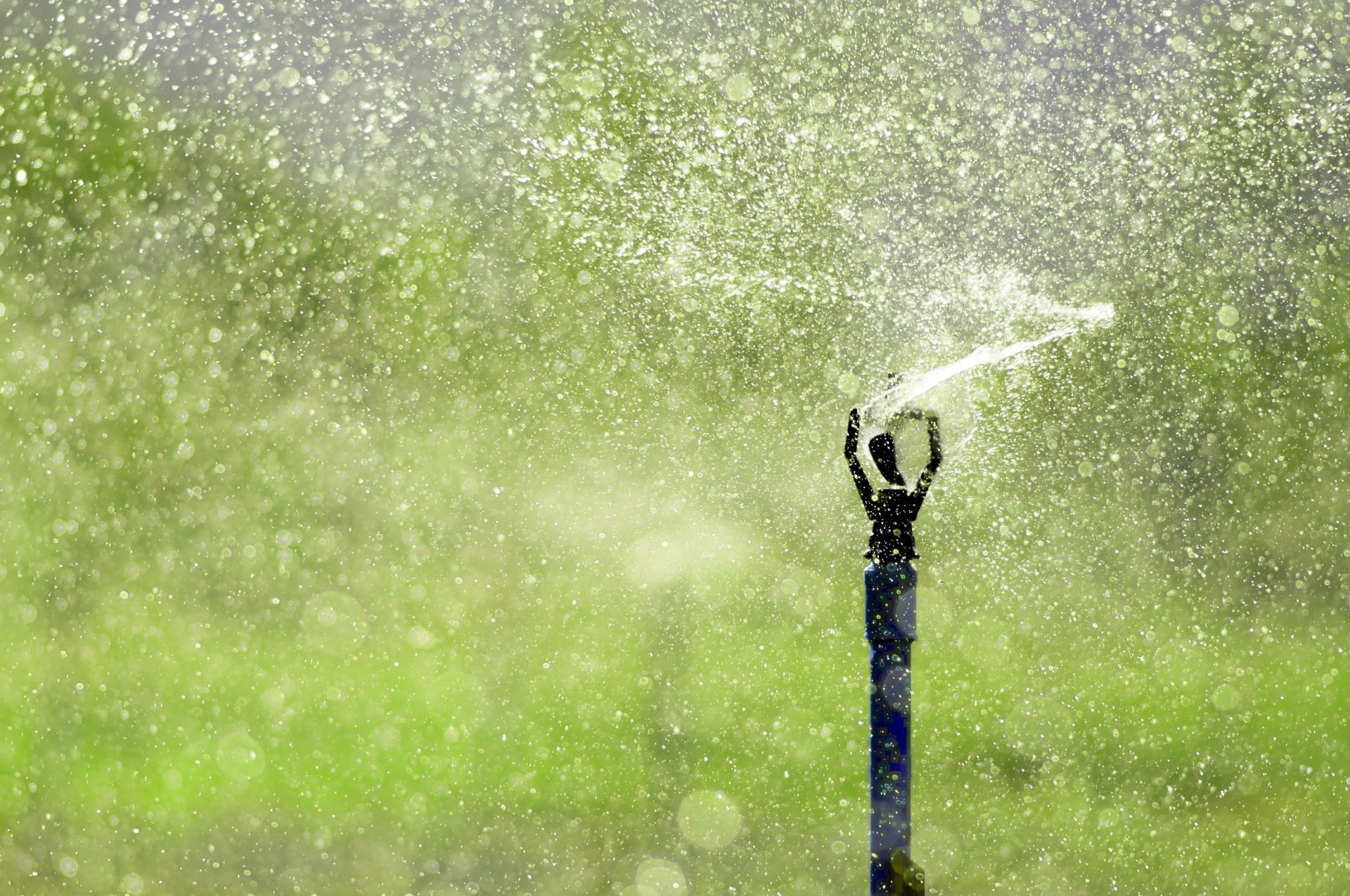
Clogged nozzles are another common issue that results from aging irrigation systems. When nozzles become clogged with debris or minerals, they can no longer function effectively, leading to uneven water distribution and increased water usage. Maintaining nozzles and regularly cleaning them can be time-consuming, making a case for upgrading to self-cleaning, efficient alternatives. These newer nozzle designs significantly reduce the likelihood of blockages and ensure a consistent water flow. By embracing these improvements, you effectively optimize water usage while minimizing maintenance efforts.
3. Outdated Technology
Manual timer systems provided a convenient method for managing irrigation in the past, but they have significant limitations by today's standards. These systems require constant manual intervention, lack the capacity to adjust for weather changes, and often lead to over-irrigation. Upgrading to a digital, programmable system offers greater control and flexibility, reducing the need for hands-on adjustments. With smart scheduling based on real-time data and weather forecasts, such systems optimize water usage. The shift towards automation not only saves water but also allows users to focus on other critical tasks.
The absence of smartphone integration indicates an outdated irrigation system. Modern systems with app connectivity provide instant access, allowing users to monitor and customize watering sessions remotely. This feature enables prompt responses to weather changes, such as unexpected rain, which could otherwise lead to excess water usage. By upgrading to a system compatible with smartphone applications, users benefit from enhanced convenience and efficiency. The result is a more user-friendly experience and the elimination of unnecessary water wastage.
Current irrigation technology is geared towards smart sensors that provide valuable data on soil moisture, temperature, and weather patterns. Unfortunately, many older systems are incompatible with these innovative sensors, restricting their benefits. Smart sensors ensure that irrigation is precisely regulated based on accurate, real-time data, preventing over or underwatering. Through compatibility with these advanced features, users can maintain optimal plant health and conserve water. Making this technology shift is an investment in both efficiency and productivity.
4. Frequent Repairs
Frequent repairs are often indicative of underlying issues with the irrigation system. If you find yourself constantly fixing leaks, adjusting spray patterns, or replacing faulty parts, it's likely time for an overhaul. As irrigation systems age, the components degrade, leading to recurring malfunctions. Constant repairs can be both time-consuming and costly, eventually outweighing the expense of installing a new system. Upgrading provides relief from persistent repairs and offers a more reliable, efficient alternative.
The cumulative cost of frequent repairs can quickly exceed the price of a system upgrade. Many components of older irrigation systems are difficult to source, adding to the expense and inconvenience. By investing in a new, modern system, you mitigate these problem zones, leading to more predictable operating costs. Additionally, new systems often come with warranties, providing added financial protection over time. An upgrade can prove both economical and practical, especially as the cost differences shrink due to technological advancements.
Aging equipment is a common issue that many irrigation system owners face. As systems age, efficiency declines, leading to increased water consumption and subsequent bills. Older equipment is prone to wear and tear, and finding compatible replacement parts becomes increasingly challenging. Investing in a new irrigation system with modern technology can nip these problems in the bud. It not only ensures continued water conservation but also streamlines maintenance efforts, offering peace of mind to users.
5. Scalability Issues
Scalability is a crucial consideration for irrigation systems, especially as garden or farm sizes increase. An older system may not handle the demands of a larger area, leading to uneven watering and potential plant stress. Upgrading to a system designed for expanded coverage ensures consistent irrigation, even as your landscape evolves. Modern systems can accommodate diverse layouts and irrigation schedules, optimizing water use across varying zones. This adaptability confirms the necessity of an upgrade to sustain plant health and maximize yields.
Introducing new plant varieties into your landscape often requires an adjustment in irrigation practices, which older systems may struggle to accommodate. Different plants have varying water needs, and a one-size-fits-all approach can cause waste or deprivation. By upgrading to systems with customizable settings, you can tailor watering regimes to each plant's specific requirements. This ensures that all plants receive their necessary moisture, without overburdening the water supply. Such flexibility optimizes water usage and supports responsible garden management.
Upgrading your irrigation system can lead to cost savings, improved efficiency, and environmental benefits. Recognizing these signs can help you decide when it's the right time to invest in a new system, ensuring your plants receive the proper care and attention they need. Transitioning to modern irrigation solutions means embracing technology that supports responsible water management and sustainability initiatives. As you invest in your landscaping future, these upgrades serve as a commitment to environmental stewardship. Ensure the health and productivity of your lawns and gardens by embracing necessary changes at the right time. For more information about the services that we offer, reach out to our incredible team at Potter's Lawn & Landscaping today!

Share On: