
Spring Watering Tips to Maintain a Healthy Lawn
This is a subtitle for your new post
As spring arrives, revitalizing your lawn becomes a priority to ensure its health and vibrancy throughout the warmer months. Understanding the essentials of proper watering is crucial to maintaining a lush lawn. This article provides practical spring watering tips to promote grass growth, prevent disease, and improve the overall appeal of your green space. The spring season is a critical period for lawn care, as the weather transitions from the cooler temperatures of winter to the warmth of summer. By implementing effective watering strategies, homeowners can prevent common issues such as drought stress and pest infestations.
Assessing Soil Type
Different soil types have varying capacities to retain moisture, which significantly impacts a lawn's watering needs. Sandy soils, for instance, drain water quickly and may require more frequent watering sessions. Conversely, clay soils can hold more water but are prone to compaction and poor drainage. Understanding the characteristics of your soil can help you tailor your watering routine for optimal grass growth. Conducting a soil test is an excellent starting point to gather necessary information about your lawn's specific needs.
Regular assessment of soil type allows you to make informed decisions about watering practices. It's beneficial to know whether your soil structure leans towards sandy, silt, or clay composition. Each composition demands a unique watering approach to keep lawns healthy and vibrant. By identifying your soil type, you can better allocate water resources and avoid over or underwatering, which can lead to long-term issues like root damage or disease. Consultation with local gardening experts or extension services can provide further insight into managing soil composition effectively.
Consistent monitoring of soil type assists in recognizing potential problems before they arise. This proactive approach enables timely adjustments to irrigation systems or watering schedules. Soil assessments also pave the way for adopting advanced lawn care techniques, such as soil amendment or composting, to improve overall lawn health. With a clear understanding of soil characteristics, homeowners can optimize their lawns for better water retention and nutrient absorption. By addressing any detected deficiencies, they can create a more sustainable environment for their grass and reduce reliance on frequent watering.
Measuring Soil Moisture Levels
Accurate measurement and monitoring of soil moisture levels are crucial for maintaining a healthy lawn. Using a moisture meter is an effective way to determine whether your lawn requires watering or if it is already sufficiently hydrated. Under-watering can lead to drought stress, characterized by wilting and browning grass. On the other hand, over-watering contributes to the proliferation of pests and diseases. Adjusting your lawn care routine based on real-time moisture levels helps sustain optimal grass health throughout the season.
Moisture level assessment can prevent unnecessary water wastage by ensuring that lawns are only watered when truly necessary. This approach is both environmentally and economically beneficial, as it conserves water resources and lowers utility costs. For a more scientific measurement, moisture meters and soil hydrometers can offer accurate readings. By regularly checking soil moisture, you can adjust your watering strategy to align with the specific demands of your lawn. This ensures that you're neither over nor under-watering your grass, maintaining its lush appearance and health.
Establishing a routine for measuring soil moisture is crucial for successful lawn management. This process allows early detection of any imbalances, whether too dry or too wet, which can then be swiftly corrected. Implementing moisture monitoring before deciding to water can greatly reduce the incidence of fungus, root rot, and other water-related lawn problems. With regular assessment, lawn care becomes a proactive task rather than a reactive one, leading to healthier grass over time. Effective soil moisture management supports robust root growth, better grass resilience, and a flourishing lawn year-round.
Recognizing Plant-Specific Water Needs
Different grass species have varying water requirements, influenced by their biological characteristics and growth habits. For instance, cool-season grasses like fescue and Kentucky bluegrass thrive with regular hydration but can become quickly stressed under drought conditions. Conversely, warm-season varieties such as Bermuda grass have developed mechanisms to endure periods of low moisture but benefit from supplemental watering during growth spurts. A thorough understanding of your lawn's specific grass type informs accurate irrigation practices that enhance growth while conserving water.
Identifying plant-specific water needs is essential for creating a tailored lawn care plan. The watering frequency and amounts should reflect the adaptive capabilities and natural resilience of your grass species. By catering to these individual needs, you can optimize resource usage and encourage healthier growth cycles. Consulting with local gardening experts or irrigation companies can offer valuable insights into species-specific watering requirements. This knowledge helps in aligning your water management practices with the unique demands of each grass type present in your lawn.
Recognizing plant-specific water needs also allows you to mitigate problems before they escalate into broader issues. Tailored watering schedules help prevent wastage of water and energy, as you are targeting hydration to the areas and species that need it most. Ultimately, aligning irrigation strategies with plant-specific needs ensures that your lawn remains vibrant while reducing environmental impact and conserving resources. This customized approach fosters a more resilient and adaptable lawn that can withstand seasonal variations and climate-induced stresses. By focusing on plant-specific water requirements, homeowners can expect a lush and sustainable lawn environment.
Identifying Early Signs of Water Stress
Detecting early signs of water stress in your lawn plays a crucial role in maintaining vibrant and healthy grass. Common indicators include wilting, changes in leaf color, and footprints that remain visible long after being made. Each of these symptoms suggests that your grass requires water to restore moisture balance. Early identification allows for prompt intervention, minimizing stress and damage to the lawn's root system. Monitoring for such signs ensures quick adjustments to irrigation schedules, promoting resilience in your grass during the spring growth period.
Effective water stress management helps in preventing further decline in lawn health while preserving aesthetic appeal. Regularly inspecting the yard assists in discerning subtler signs, such as increased susceptibility to pests or a slower growth rate. Being observant of these early stressors enables homeowners to implement solutions, such as increasing watering frequency or adjusting irrigation timing accordingly. This timely action prevents prolonged periods of drought stress, safeguarding against permanent damage and diseases. Lawn care professionals recommend that homeowners stay vigilant, particularly during heatwaves or dry spells, when grass is most vulnerable.
Awareness of water stress indicators is integral to an adaptive and responsive lawn-care routine. Studying grass's physical responses to water deficiency informs timely and precise watering applications. The educational focus on recognizing symptoms fosters proactive management that caters to the evolving needs of your lawn throughout the season. By integrating stress signage awareness into your gardening practices, your lawn's needs are not only promptly addressed but also preserved against deeper environmental challenges. This knowledge equips homeowners with decision-making tools to sustain their lawn health, ensuring long-term vitality and growth.
Best Times of Day to Water
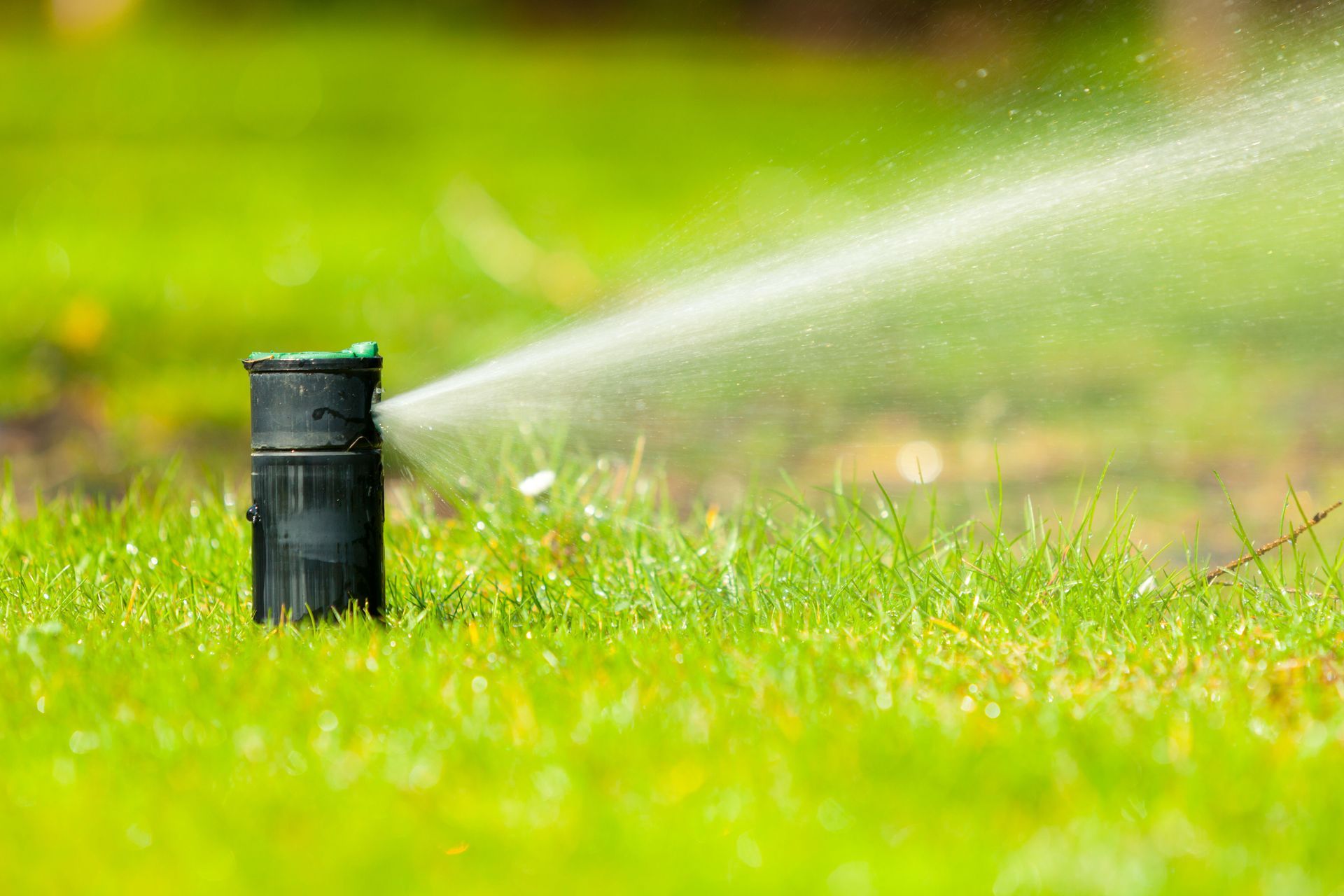
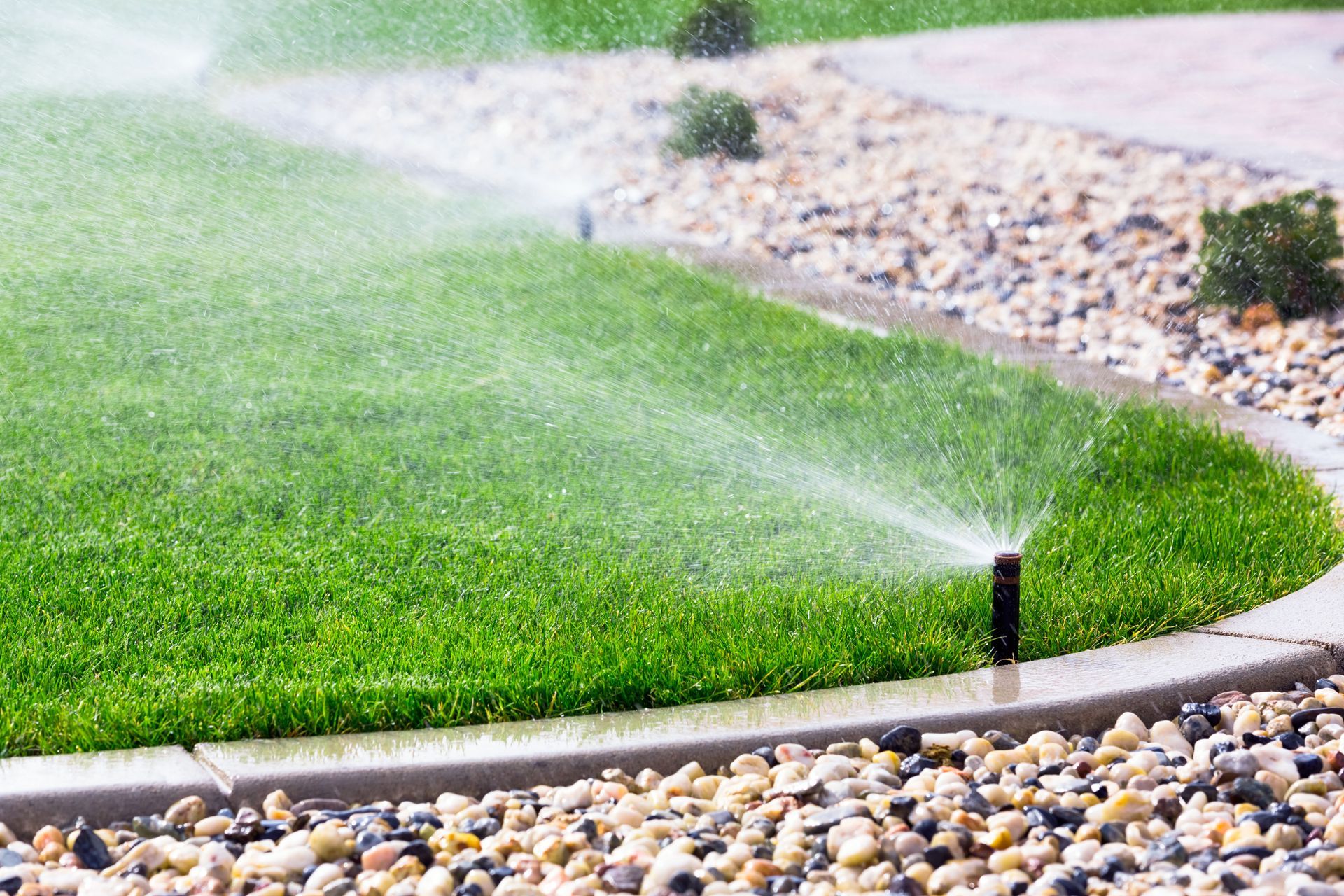
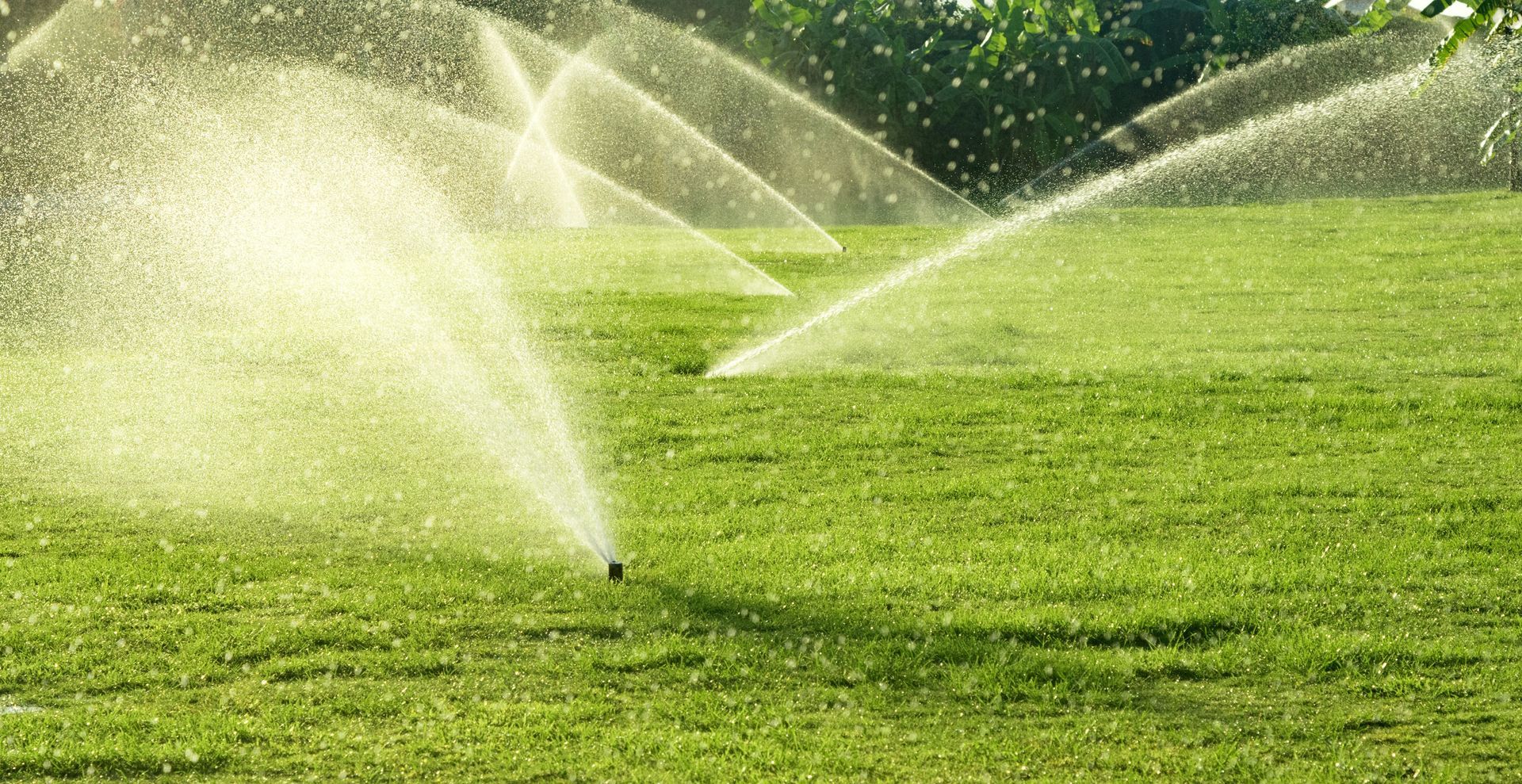
Timing your watering routine correctly can significantly impact the health and efficiency of your lawn care regimen. According to The Spruce, the best time to water a grass lawn is between 7 a.m. and 10 a.m., when temperatures are cooler and winds are calm. This timing ensures that water deeply penetrates the soil rather than evaporating quickly due to the midday sun. Morning watering also allows leaves to dry during the day, minimizing fungal problems. Incorporating early watering into your routine maximizes water retention in the soil and promotes the healthy growth of grass roots.
Watering later in the day, particularly during peak sunlight hours, can result in substantial water loss due to evaporation. Likewise, night watering should be avoided as it can leave the lawn susceptible to fungal diseases due to prolonged moisture on the grass blades. Adhering to an early morning schedule not only enhances water use efficiency but also conserves a precious natural resource. Additionally, it optimizes your lawn's absorption rate, promoting deeper root growth and higher resilience against dry spells. Establishing a systematic routine that incorporates optimal watering times supports long-term lawn vitality.
Setting precise watering times is pivotal to establishing consistency within your lawn care habit. By sticking to a regular morning schedule, you can reduce the incidence of stress-related yellowing and other moisture deficiencies. It also provides a structured framework, enabling the prioritization of other maintenance activities without compromising on lawn care quality. More importantly, maintaining an appropriate watering schedule aligns your lawn care practices with ecological considerations, optimizing water usage responsibly. Ultimately, integrating this understanding into your routine can lead to sustainable lawn health and aesthetics.
A well-watered lawn is not just greener—it’s more resilient, efficient, and sustainable throughout the warmer months. By applying these spring watering strategies, homeowners can reduce common lawn problems, conserve water, and enjoy a vibrant outdoor space all season long. With regular observation and small, informed adjustments, your lawn can thrive from early spring through summer, offering lasting beauty and long-term health.
If you want expert guidance and reliable results, partnering with a professional can simplify the process and elevate your lawn’s performance. Potter’s Lawn & Landscaping brings the experience, tools, and local knowledge needed to design and maintain efficient watering systems tailored to your property. As one of the trusted
irrigation companies serving the area, their team can help you conserve water, protect your investment, and keep your lawn healthy all season long. Contact Potter’s Lawn & Landscaping today to schedule a consultation and take the next step toward a greener, more resilient lawn.


Share On: