
How to Install an Efficient Irrigation System
A lush green lawn and vibrant flowerbeds serve as the crowning glory of any residential landscape. Achieving this level of outdoor beauty requires a steady supply of moisture, yet manual watering routines often prove tedious and inherently wasteful. Homeowners frequently struggle with uneven application, leaving some areas parched while others suffer from oversaturation. The solution to this environmental and logistical dilemma lies in implementing a modern watering infrastructure that delivers precise amounts of hydration directly to the root zones of plants. Transitioning away from manual hose watering represents a significant step forward in residential land management. By establishing an automated framework, property owners can optimize water usage, reduce surface runoff, and cultivate deep root growth that fosters long-term plant resilience.
Creating an efficient outdoor watering mechanism demands careful deliberation regarding landscape contours, plant species, and local soil characteristics. A poorly designed layout can result in water hitting concrete driveways rather than vegetation, resulting in substantial financial loss and ecological waste. Conversely, a thoughtful approach ensures that every drop of moisture serves a specific biological purpose. Cultivating a beautiful exterior environment enhances overall property appeal and aligns with broader ecological preservation goals. Investing the necessary effort into preparing, assembling, and maintaining this infrastructure will yield significant dividends for many years, securing a healthy and sustainable outdoor oasis for families to enjoy.
Assessing Property Outlines and Soil Dynamics
Before purchasing any machinery or digging trenches, a comprehensive evaluation of the residential property is absolutely critical. This initial phase requires mapping out the entire perimeter of the lawn, identifying specific landscape features such as mature trees, ornamental garden beds, and permanent structures. Slopes and elevations must be carefully noted, as water naturally flows downhill and can pool in low-lying zones if not properly managed. Understanding the specific topography prevents waterlogged soil conditions that can compromise plant health and destabilize the surrounding earth.
Equally important is an analysis of the soil composition present throughout the yard. Sandy soils absorb moisture rapidly but fail to retain it, necessitating more frequent, shorter watering intervals. Heavy clay soils, by contrast, hold moisture for extended periods but suffer from slow absorption rates, which increases the likelihood of surface pooling and erosion. Loam represents the ideal balance, holding onto moisture effectively while allowing excess fluid to drain away. Recognizing these distinct subterranean conditions enables property owners to adjust their watering strategies to prevent over-saturation and optimize nutrient uptake. Taking the time to survey these variables forms the foundation for a highly successful outdoor project.
Determining Water Delivery Capacity and Pressure
An effective watering design depends entirely on the specific hydraulic capabilities of the domestic utility infrastructure. Property owners must determine both the static water pressure and the total volume of fluid available through the main service line. Low water pressure will restrict the functional reach of individual sprinkler devices, resulting in dry patches across the lawn. Conversely, excessive pressure can damage subterranean plastic components, cause misting, and lead to significant structural failure within the network. Balancing these forces ensures a smooth, uninterrupted distribution of resources across the entire cultivated area.
To measure the available volume, individuals can record the time required to fill a standard container from an external faucet. This measurement helps calculate the total flow capacity, which dictates how many distribution points can operate simultaneously. Because most residential connections lack the capacity to supply an entire yard at once, the property must be divided into separate subterranean loops. These independent zones operate sequentially, ensuring that each section receives maximum pressure without overloading the main household supply line. This systematic separation guarantees uniform coverage across every square yard of vegetation.
Mapping Individual Distribution Zones and Head Layouts
Dividing a yard into distinct hydration zones requires a strategic understanding of the varying moisture needs of different plant groups. Turfgrass demands frequent and widespread distribution, whereas shrubs, perennials, and groundcovers thrive with targeted, deep root applications. Grouping vegetation with similar watering requirements into distinct operational zones prevents the accidental drowning of delicate ornamentals while ensuring the lawn remains vibrant. This tailored approach minimizes waste and promotes a healthier, more balanced outdoor ecosystem.
Selecting Spray Mechanism Options
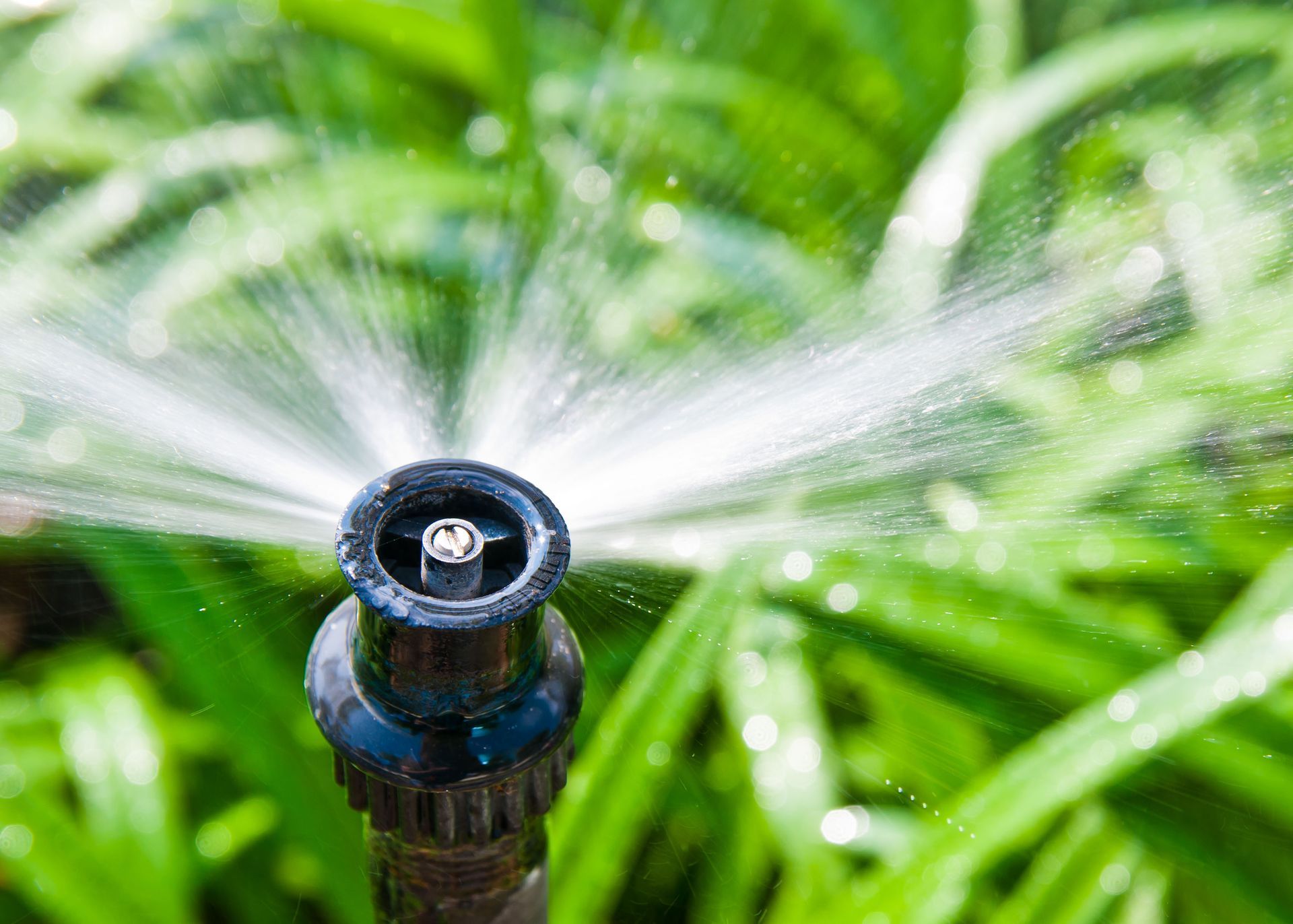
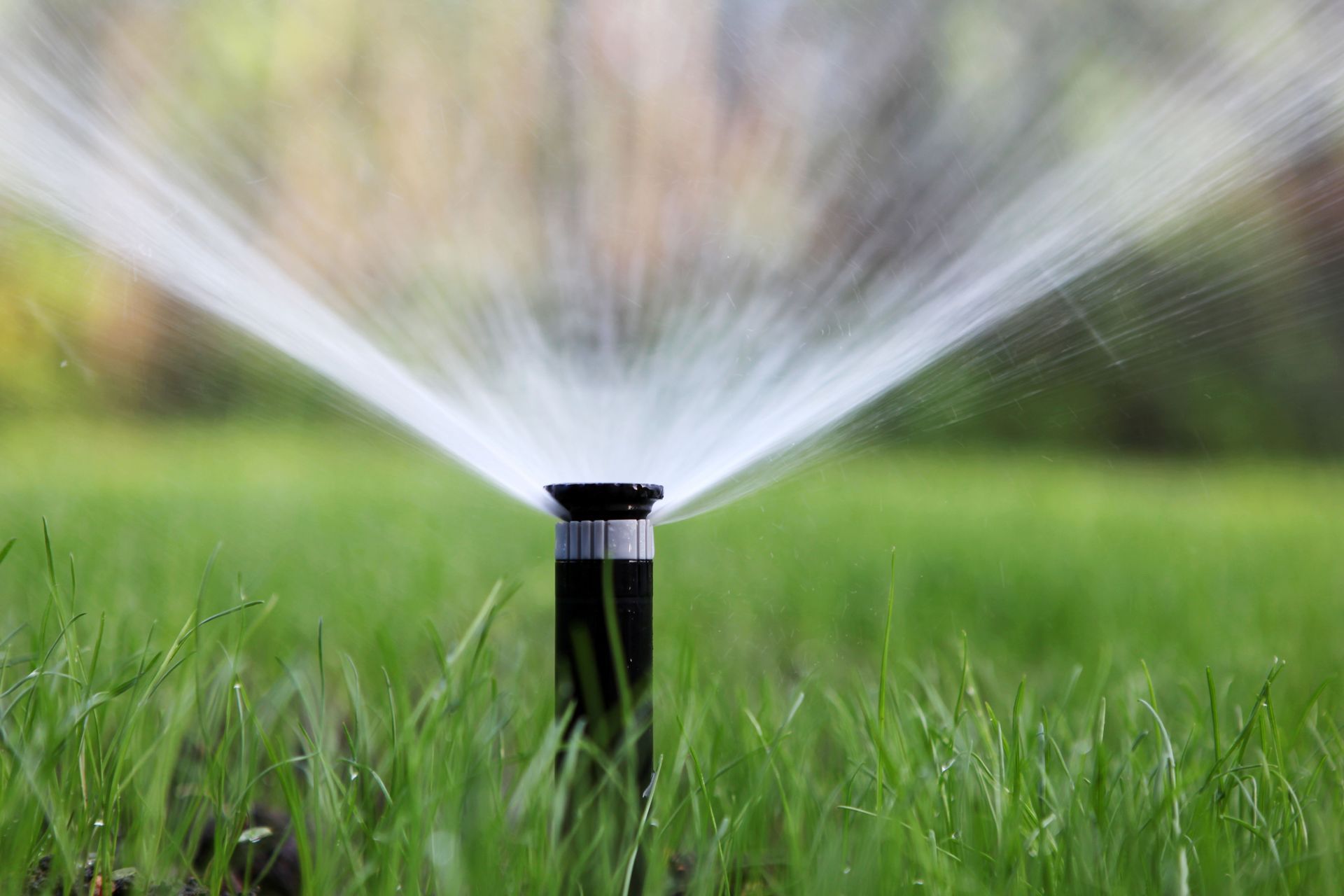
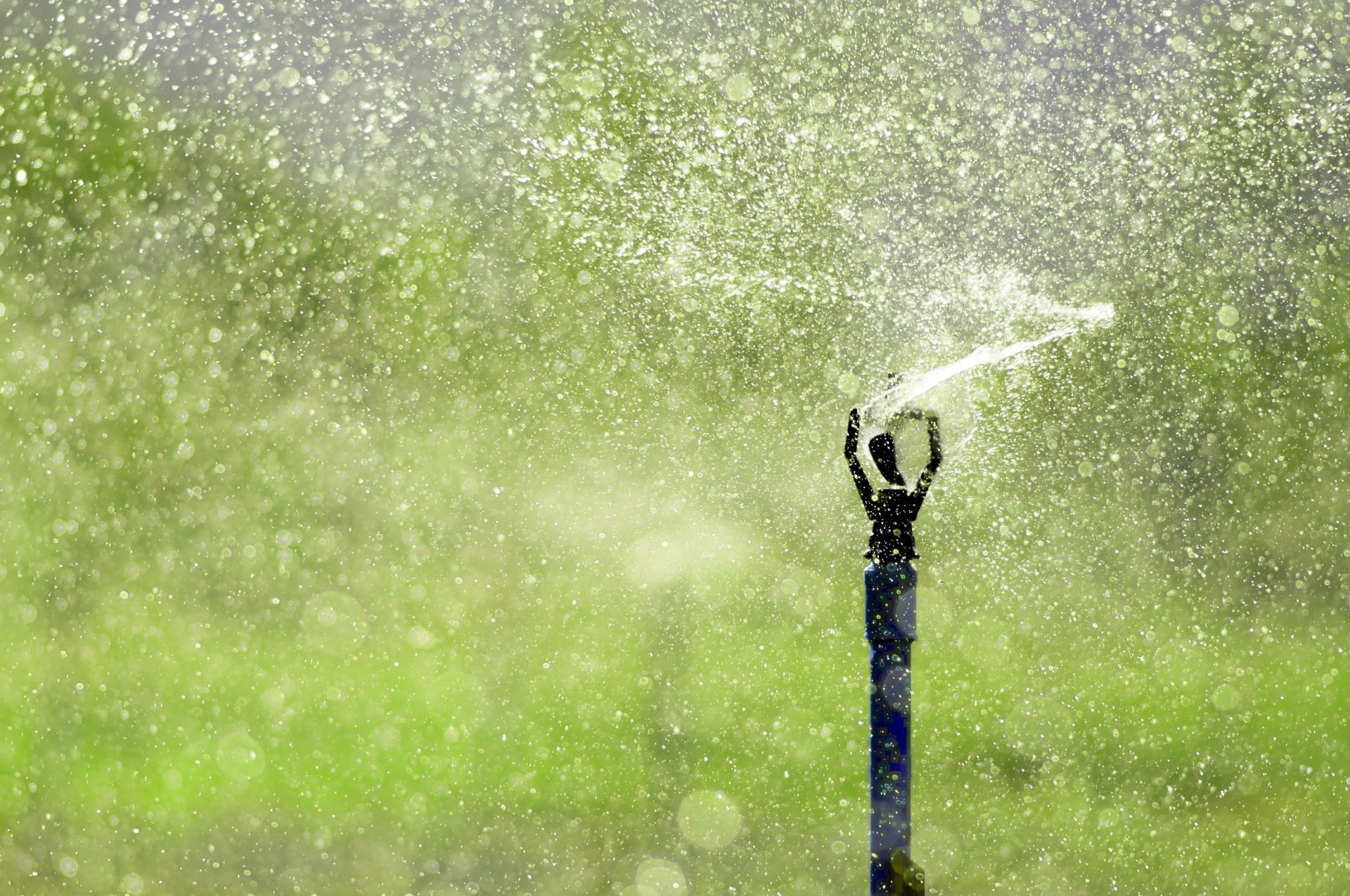
Choosing the correct delivery devices is essential for achieving complete coverage across the property. Rotary heads are ideal for expansive lawn expanses, spinning slowly to throw long, wind-resistant streams of water over vast distances. Fixed spray nozzles work exceptionally well in smaller, irregularly shaped sections or corner beds, misting water in a predetermined pattern. For delicate flowerbeds and individual shrub clusters, low-flow emitters or porous tubing provide the highest level of efficiency by dripping water directly onto the soil surface. This precise application method eliminates evaporation losses entirely and keeps foliage dry, which dramatically reduces the risk of fungal plant diseases.
Ensuring Head Overlap Patterns
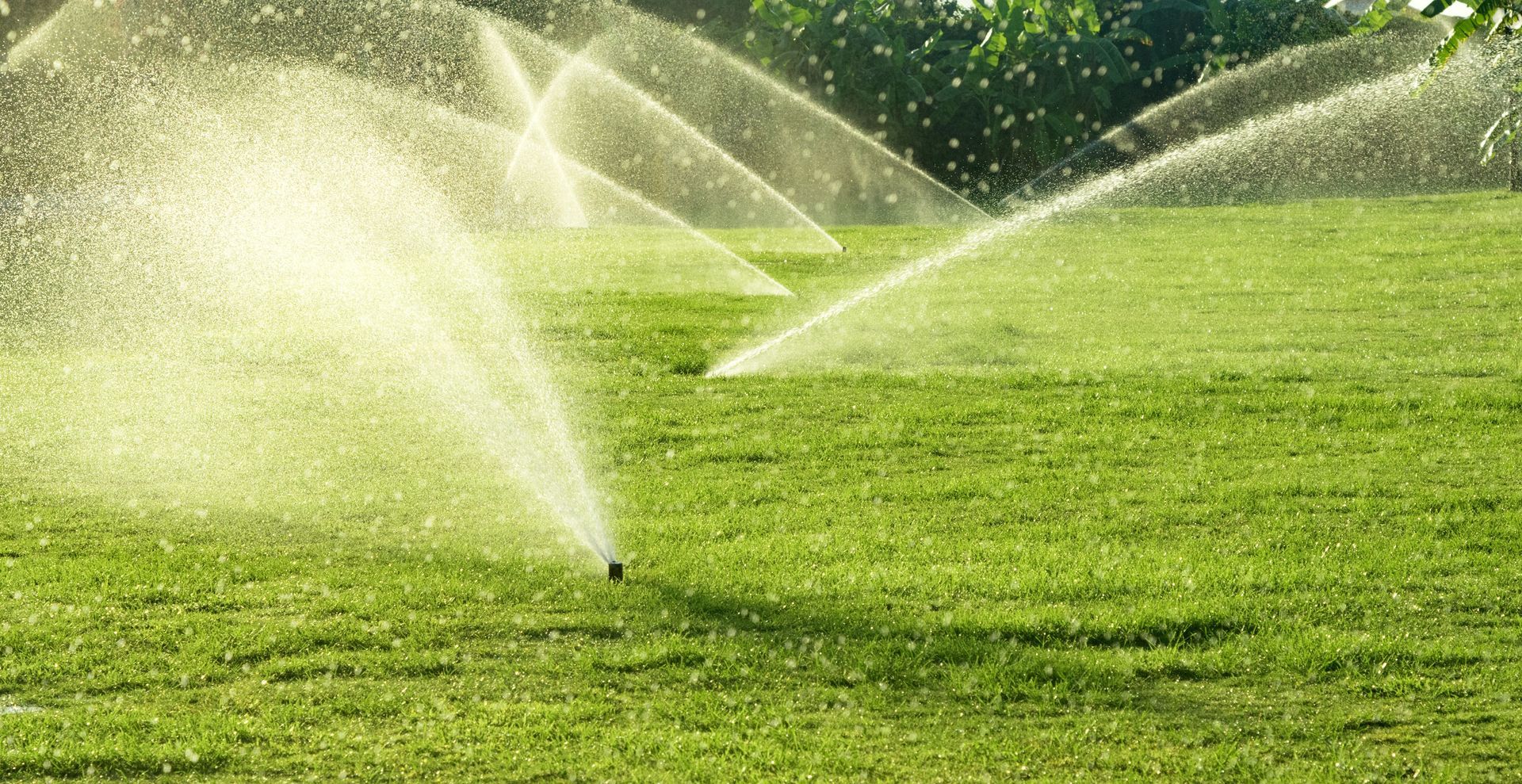
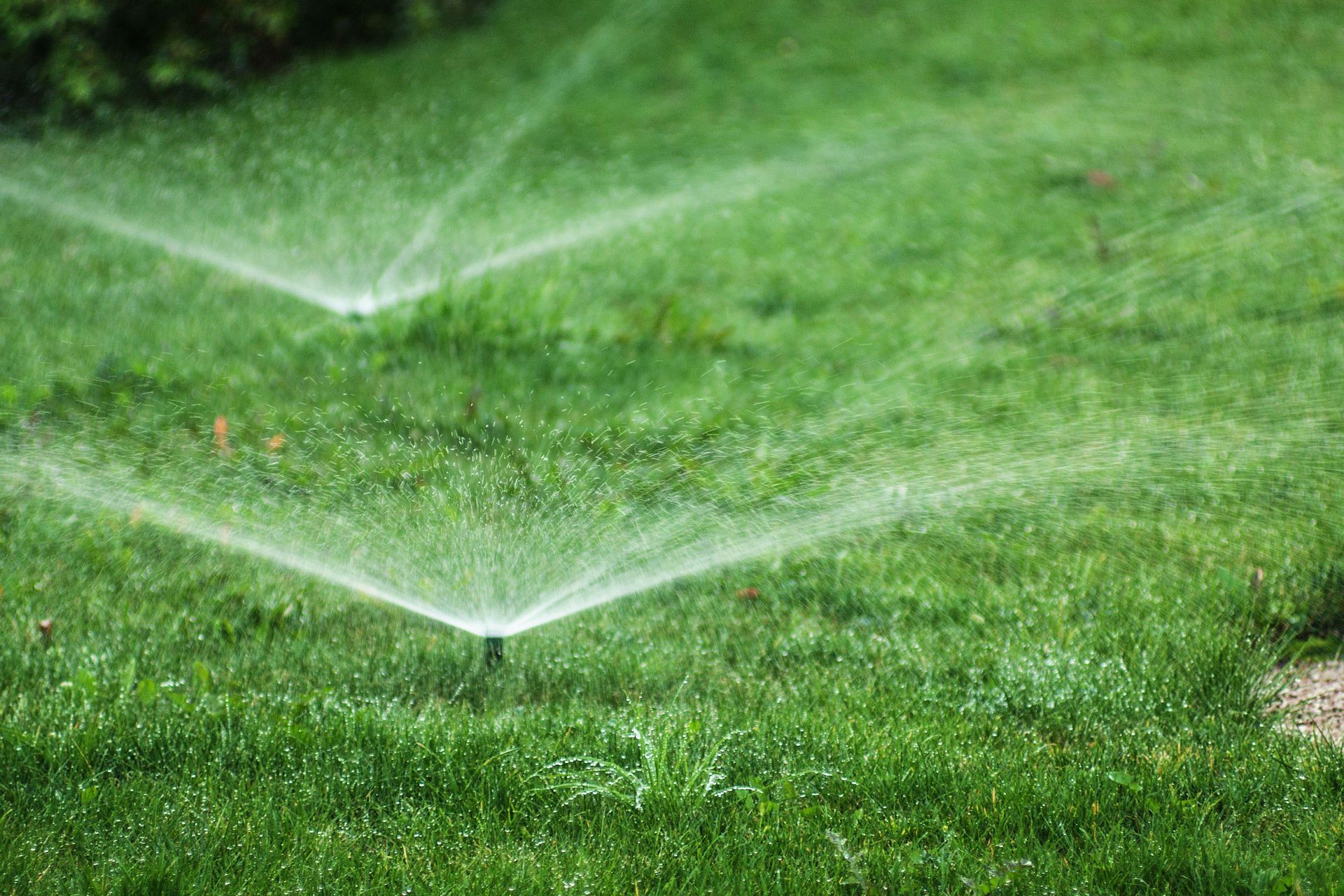
Achieving uniform distribution across a zone requires strict adherence to the principle of matched precipitation coverage. This technique mandates that the spray pattern of one unit must reach all the way to the base of the adjacent unit. Skipping this crucial design step results in dry rings and uneven growth patterns throughout the landscape. Wind patterns can also disrupt spray paths, making overlap essential for maintaining proper moisture levels during warm summer months. Designers must carefully plot these overlapping circles on a master blueprint before breaking ground on the project.
Excavating Trenches and Connecting Central Piping
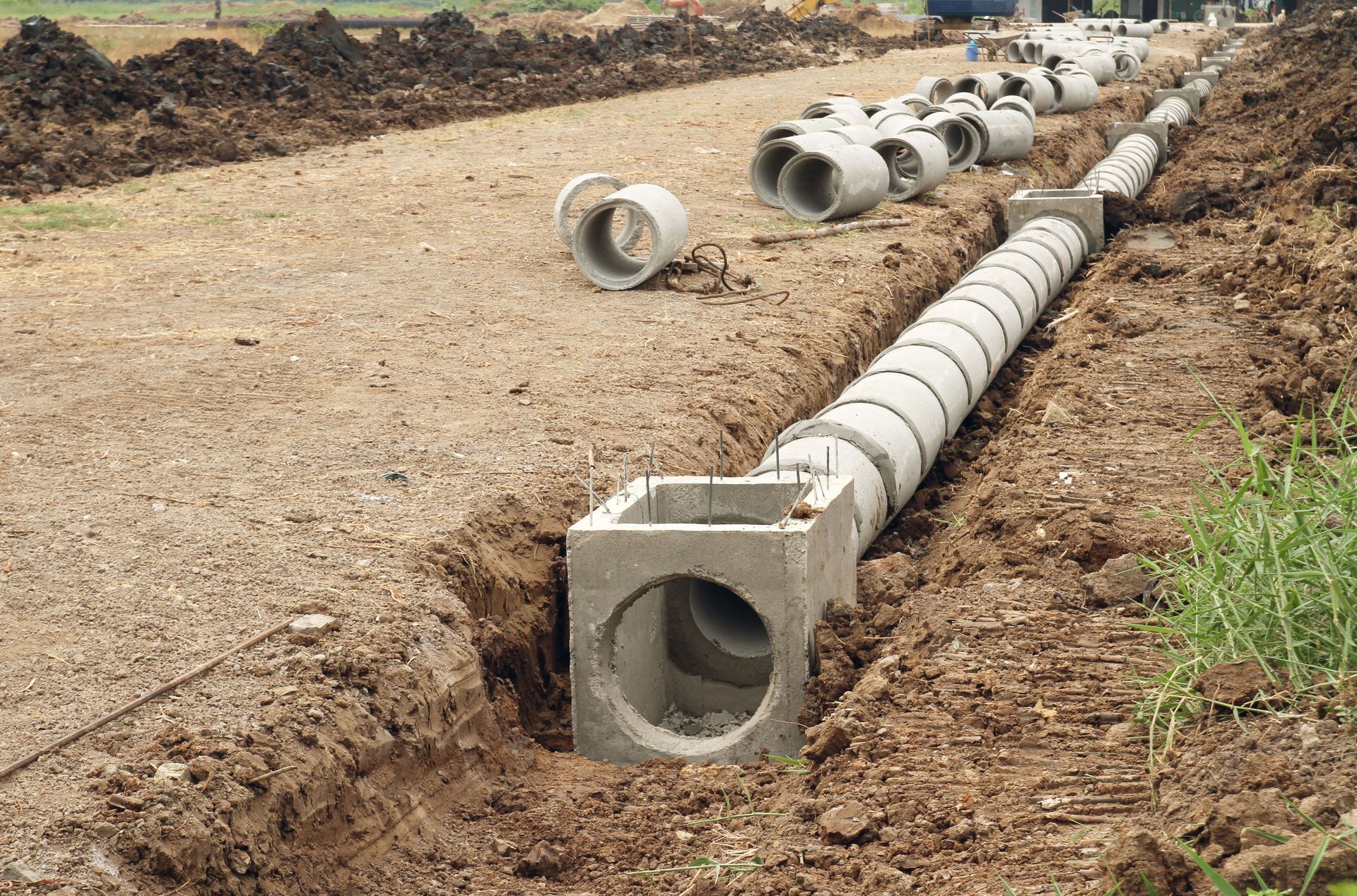
With the master blueprint finalized, physical construction begins by clearing the lawn and marking the subterranean paths with temporary alignment strings or marking paint. Excavation must be executed with care to avoid slicing through existing subterranean utility connections, such as electrical wiring or communications cables. Digging deep into the earth creates a secure channel that shields the network from accidental damage caused by lawn mowers, aerators, and heavy pedestrian traffic. Keeping these channels straight reduces the number of joint connections required, minimizing friction loss within the network.
Integrating Advanced Conservation Accessories
To achieve peak efficiency and true environmental sustainability, an irrigation system must incorporate smart sensor technologies that adapt to changing weather conditions. A basic automated timer will operate on a rigid schedule, mindlessly running sprinklers during a torrential downpour unless interrupted manually. Integrating a rain sensor overrides the pre-programmed schedule, temporarily shutting down the network when natural precipitation satisfies the moisture needs of the soil.
Maintaining a stunning outdoor landscape requires a harmonious blend of regular care, technical precision, and professional expertise. The broader market reflects this growing domestic commitment to beautiful, functional yards. According to IbisWorld, the U.S. landscaping services industry is projected to generate approximately $185 billion in revenue in 2025. This substantial economic figure highlights how much value property owners place on cultivating and preserving pristine exterior environments through advanced residential management practices.
Setting up a complete irrigation system involves configuring intricate hydraulic networks and fine-tuning distribution zones to ensure uniform coverage. Homeowners find that a properly engineered irrigation system reduces manual labor while safeguarding valuable plant life from extreme weather stress.
While taking on a weekend installation project can appeal to dedicated property owners, the technical demands of hydraulic engineering, electrical wiring, and plumbing regulations often present significant challenges. Improper installation can result in costly property damage, fines, and long-term landscape decline. For homeowners seeking a flawless, worry-free installation that guarantees peak efficiency and exceptional long-term performance, partnering with established exterior professionals is the ideal choice. We at Potter's Lawn & Landscaping stand ready to design, install, and maintain a custom watering solution tailored precisely to the unique contours of your property, ensuring a vibrant and flourishing landscape for years to come. Contact us today to learn more.



Share On: